
Ban Rak Thai
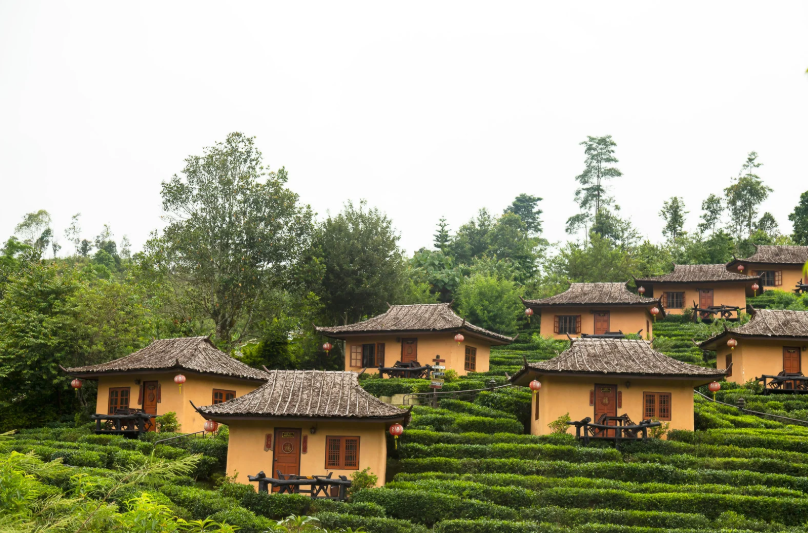
Ban Rak Thai, which means “The Village That Loves Thailand”, is a small settlement located about 44 kilometers north of Mae Hong Son town, right near the Thai–Myanmar border. Sitting at an altitude of around 1,800 meters, it’s surrounded by misty mountains and tea plantations, creating a cool and tranquil climate year-round.
The village was founded in the 1950s by former Kuomintang (KMT) soldiers who fled Yunnan Province in China after the Chinese Civil War. Many of these soldiers and their families settled here under Thai permission, forming a tight-knit community that preserved Yunnanese traditions, language, and cuisine. Over time, Ban Rak Thai became both a historical and cultural reminder of this migration period.
Today, the village is known for its traditional clay houses, Chinese-style architecture, and especially for its high-quality oolong tea grown in the surrounding hills. Visitors can tour tea plantations, sample locally brewed tea, and buy Yunnan-style products such as tea leaves, dried fruits, and herbal goods.
While tourism has grown, Ban Rak Thai remains relatively small, with fewer than 1,000 residents. The central lake, lined with tea shops and guesthouses, reflects the surrounding hills and creates one of the most picturesque scenes in northern Thailand.
Ban Rak Thai stands out as a rare blend of Thai and Chinese heritage, offering insight into a unique chapter of regional history — and a peaceful escape far from the modern world.
What You’ll Find
At Ban Rak Thai, visitors can experience a distinctive mix of Chinese culture, mountain scenery, and tea traditions rarely found elsewhere in Thailand.
Tea Plantations and Tastings: The surrounding hills are covered with oolong and green tea plantations. Many local farms offer guided visits where you can learn about the tea-making process, from leaf picking to roasting,and enjoy freshly brewed tea overlooking the valley.
Yunnan-Style Cuisine: The village is known for its authentic Yunnan dishes such as braised pork knuckle, tea-smoked duck, and handmade noodles. Most restaurants and tea houses are family-run and use locally grown ingredients.
Lakeside Scenery: A small lake sits at the center of the village, reflecting the traditional clay houses and mountain backdrop. Walking paths and viewpoints around the lake offer excellent spots for photography, especially during the early morning mist.
Local Culture and History: Visitors can still see traces of the original Kuomintang settlement, including Chinese calligraphy signs, temples, and memorials. The residents mostly speak a Yunnanese dialect but are welcoming to Thai and foreign travelers alike.
Peaceful Atmosphere: With its high altitude and remote location, Ban Rak Thai maintains a quiet rhythm of life. Cool air, clean mountain views, and a simple rural lifestyle make it a perfect stop for those seeking calm and authenticity.

To experience Ban Rak Thai at its best, it’s recommended to arrive early in the morning or stay overnight. The village is often covered in a thin layer of mist at dawn, and the calm reflection of the mountains on the lake creates an unforgettable view. The air is cool year-round, but the most pleasant months to visit are from November to February, during the dry season, when the sky is clear and the tea harvest is in full swing. Far from the main tourist routes, Ban Rak Thai offers a rare opportunity to slow down, learn a piece of history, and enjoy the quiet beauty of life in the mountains.