
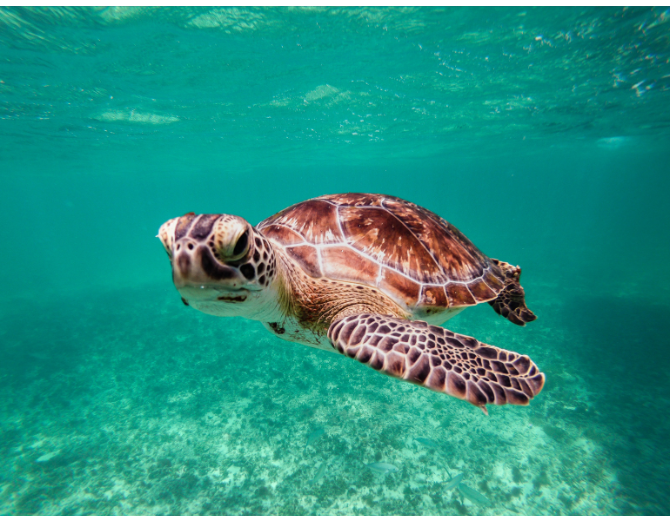
Koh Tao is the smallest of the three main islands in the Gulf of Thailand, covering barely twenty-one square kilometres off the coast of Surat Thani province. Its name means “Turtle Island”, and while the shape of the island on a map explains part of it, the green turtles that once nested on its beaches explain the rest.
For most of its history nobody lived here. The island was uninhabited until the 1930s, when the Thai government used it as a prison for political detainees. After the prisoners were pardoned in 1947, families from neighbouring Koh Pha Ngan settled the land, planting coconut groves that still cover much of the interior.
Everything changed when divers found it. The water around Koh Tao is warm, clear and shallow, and the reefs sit close to shore — conditions that make it one of the easiest and cheapest places on earth to learn to dive. Today the island certifies tens of thousands of new divers every year, and the small town of Mae Haad has more dive schools per street than anywhere else in Thailand.
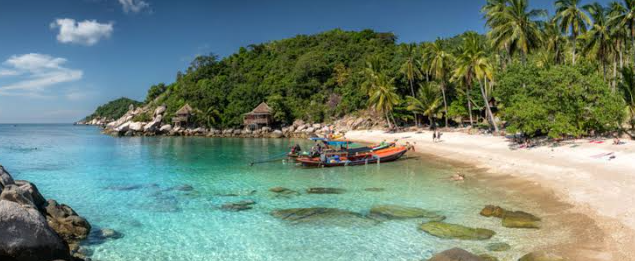
But Koh Tao is not only for divers. There is no airport and barely any traffic. The island is small enough to cross on foot, granite boulders spill down to the sea at every bay, and the viewpoints along the ridge look out over water so pale it seems lit from below.
What makes the island unusual is how quickly it changes character. Sairee Beach is busy and social; ten minutes away, bays like Tanote and Sai Nuan are almost silent. Few places in Thailand let you choose between the two so easily.
What You’ll FindReefs, viewpoints, quiet bays and one of the most photographed islets in the country — all within a few kilometres of each other.
Diving and Snorkelling: The reefs around the island are shallow and calm, which is why so many people take their first breath underwater here. Sites like Chumphon Pinnacle, Southwest Pinnacle and Sail Rock draw experienced divers too, with the chance of whale sharks between March and May. Snorkellers can reach coral straight from the beach at Shark Bay, Mango Bay and Tanote.
Koh Nang Yuan: Three small islands joined by a curving sandbar, ten minutes by longtail boat from Mae Haad. The climb to its viewpoint is short and steep, and the view from the top — two arms of white sand meeting in turquoise water — is the image most people carry home.
Viewpoints and Ridge Walks: John-Suwan Viewpoint in the south looks over two bays at once. Others, like Fraggle Rock and Mango Viewpoint, are reached on foot through the interior. Sunsets are best from the west coast; sunrises from the eastern bays.
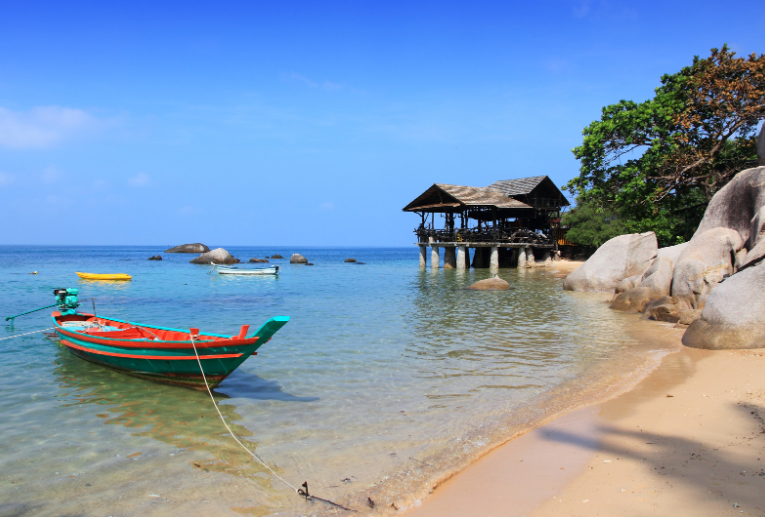
Quiet Bays: Sairee is the long social beach on the west coast, with restaurants and bars along the sand. For calm, Sai Nuan, Freedom Beach and Chalok Baan Kao are only a short walk or taxi ride away, and often nearly empty outside high season.
Reef Conservation: The island runs some of the most active coral restoration projects in Thailand, with nurseries, artificial reef structures and regular clean-up dives. Many dive schools invite visitors to join, which is one of the better ways to spend a day here.
The calmest, clearest months on Koh Tao run from March to September, with visibility underwater at its best around April and May. November and December bring the heaviest rain and rough crossings — ferries are sometimes cancelled for a day or two, worth knowing if you have a flight to catch. There is no airport: you arrive by boat from Chumphon on the mainland, or from Koh Samui and Koh Pha Ngan. Two nights is enough to see the island; a week is what it takes to learn to dive. Most people who come for the first arrive planning to stay two days and leave having stayed five.