
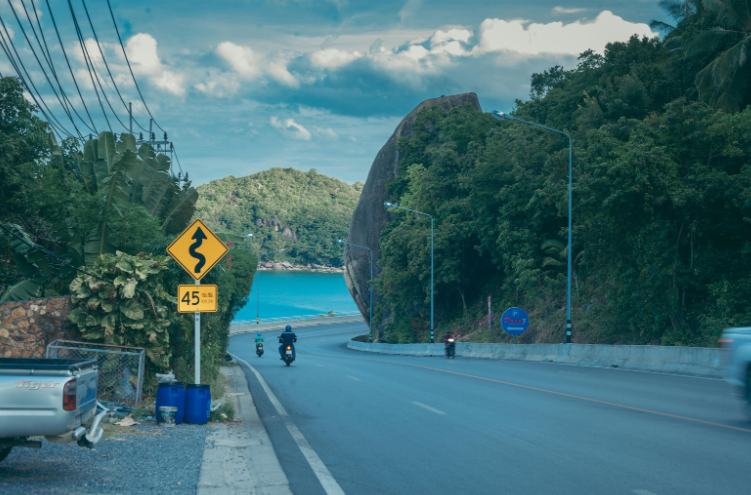
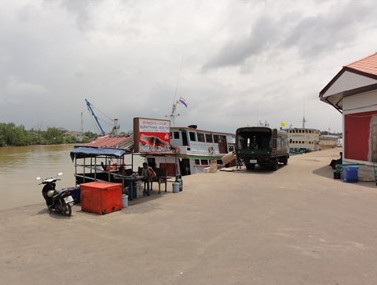
Surat Thani is the largest province in southern Thailand, stretching from the Gulf coast deep into the mountains of the interior. Its name means “City of Good People”, given by King Rama VI in 1915, and the provincial capital sits at the mouth of the Tapi River, where fishing boats still unload their catch each morning within sight of the town centre.
Most travellers know Surat Thani as the gateway to the islands. The ferries that leave from its piers connect the mainland to Koh Samui, Koh Phangan and Koh Tao, three of the most visited islands in the Gulf of Thailand. What fewer people realise is that the province itself holds some of the richest history and wildest landscapes in the south.
Long before the islands drew visitors, this coast was the heart of the Srivijaya empire, a maritime kingdom that dominated trade across Southeast Asia between the seventh and thirteenth centuries. The town of Chaiya, just north of the capital, still holds the temples and stupas from that era, and remains one of the most important archaeological sites in the country.
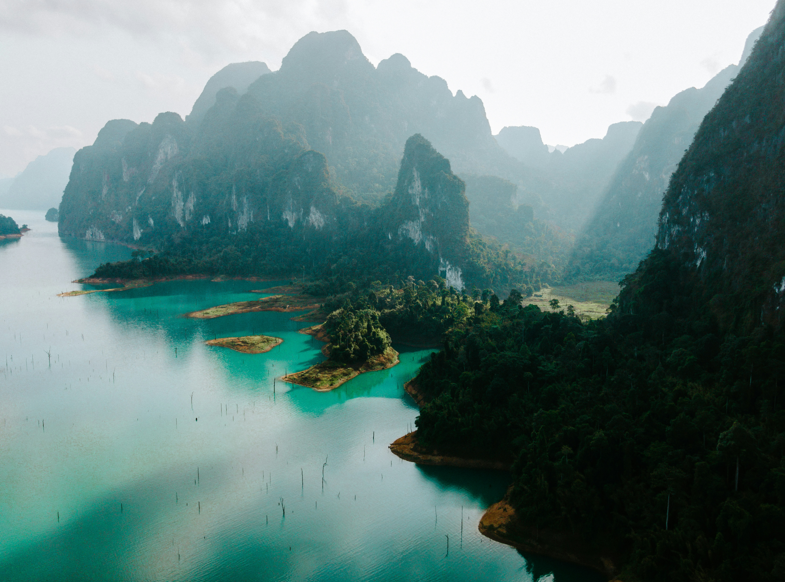
Inland, the land rises into limestone karsts and rainforest. Khao Sok National Park protects a forest older than the Amazon, and at its centre lies Cheow Lan Lake, an emerald reservoir studded with cliffs that rise straight out of the water. Floating bungalows on the lake are, for many travellers, the highlight of their entire trip.
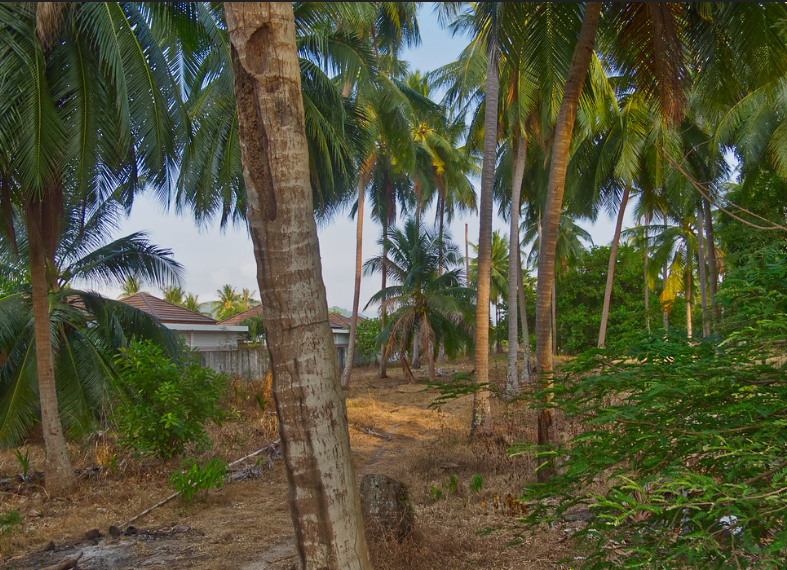
Surat Thani is a province of contrasts: island beaches and jungle rivers, ancient stupas and working fishing ports, meditation monasteries and coconut plantations that stretch to the horizon. It rewards those who pause here instead of passing straight through.
What You’ll FindFrom island ferries to rainforest lakes and thousand-year-old temples, Surat Thani offers more variety than any other province in the south.
The Gulf Islands: Koh Samui, Koh Phangan and Koh Tao all belong to Surat Thani province. Samui offers beaches, resorts and easy comfort; Phangan is quieter in the north and famous in the south; Koh Tao is one of the most affordable places in the world to learn to dive. Ferries run daily from Donsak pier and from the town itself.
Khao Sok and Cheow Lan Lake: Inland, the rainforest of Khao Sok National Park shelters gibbons, hornbills and the rare Rafflesia flower. Cheow Lan Lake, created by the Ratchaprapha dam, is ringed with limestone peaks and dotted with simple floating raft houses reached only by longtail boat.
Chaiya and the Srivijaya Legacy: Wat Phra Borommathat Chaiya holds a restored stupa dating back more than a thousand years, and the small national museum beside it displays bronzes and sculptures from the empire that once ruled these seas.
Suan Mokkh Monastery: Founded in 1932 by the monk Buddhadasa Bhikkhu, this forest monastery near Chaiya is one of the most respected meditation centres in Thailand. It runs silent ten-day retreats each month, open to foreigners, in an atmosphere of complete simplicity.
River and Market Life: The Tapi River shapes daily life in the capital. Evening markets along the waterfront serve southern Thai food that is spicier and more coconut-heavy than in the north, and the night market near the pier is one of the best places in the province to eat.
The best months to visit Surat Thani are from February to April, when the Gulf is calm and the skies are clear. The rains arrive later here than on the Andaman side, with the wettest months falling between October and December — a rhythm worth knowing if you are combining coasts in a single trip. The province is easy to reach: an airport just outside the capital, an overnight train from Bangkok to Phun Phin station, and ferries leaving throughout the day. Most travellers use it as a stepping stone to the islands, but the ones who stay a few days — a night on the lake, a morning among the ruins of Chaiya — usually leave saying it was the part of the trip they least expected to love.