
Mae Chaem
A remote valley of rice terraces and Karen villages, where mountain life still follows the rhythm of the land.
A valley shaped by geography and community
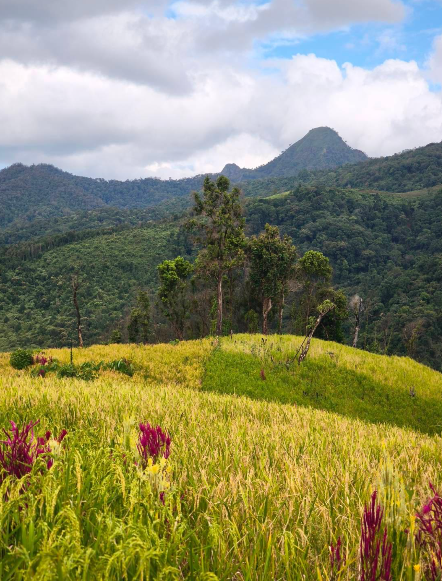
Mae Chaem is a remote mountain district in southwestern Chiang Mai Province, set in a fertile valley surrounded by forested hills and rivers. Historically isolated by geography, the area developed strong local traditions and a self-sufficient way of life that remains visible today.
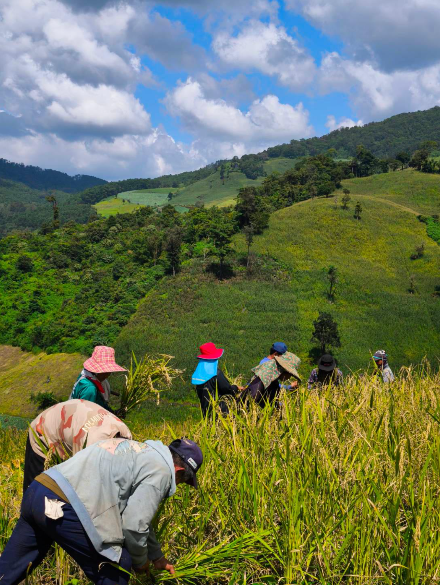
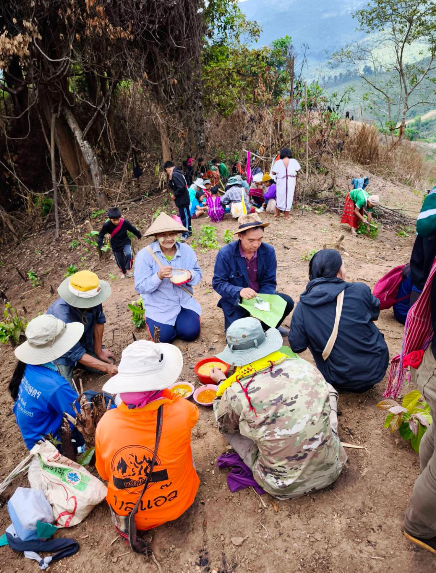
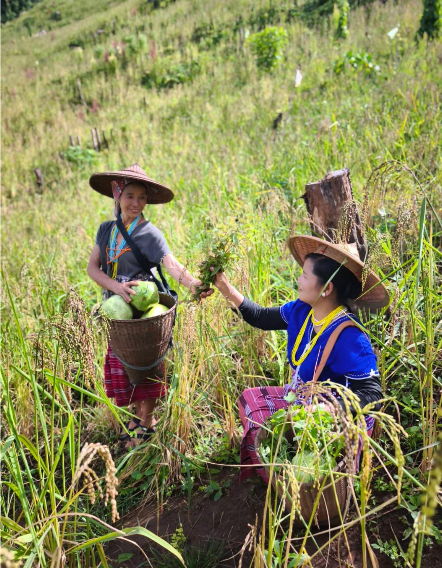
The population is made up largely of mountain communities, including Karen (Pgaz K’Nyau) villages, alongside Northern Thai (Lanna) families. The Karen have lived in these highlands for generations, traditionally practising rotational farming, rice cultivation and animal husbandry. Their culture places strong emphasis on community cooperation, respect for nature and spiritual balance.
Daily life in Mae Chaem is simple and structured around the land. Families grow rice, vegetables and herbs mainly for household use, while surplus is shared or sold locally. Homes are typically built from wood and bamboo, designed to suit the mountain climate. Electricity and roads exist, but life still follows natural rhythms rather than urban schedules.
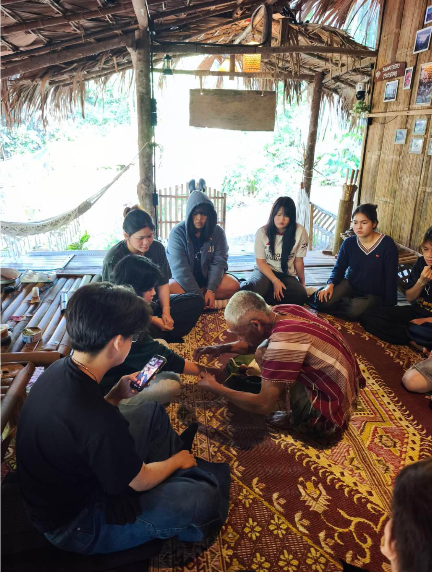
Cultural traditions remain active rather than symbolic. Karen clothing, woven by hand, is worn in daily life. Ceremonies such as hand-tying rituals mark important moments, offering blessings for health, harmony and safe journeys. Elders play an important role in preserving knowledge, customs and oral history.
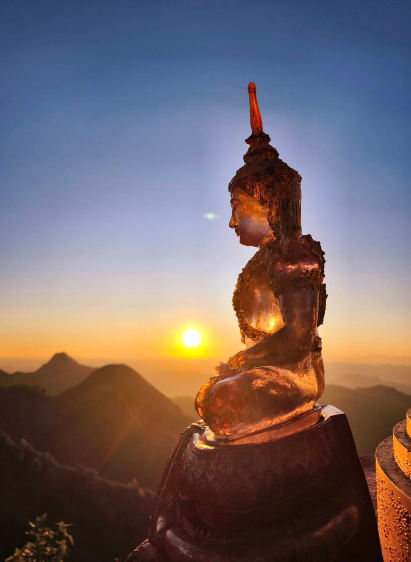
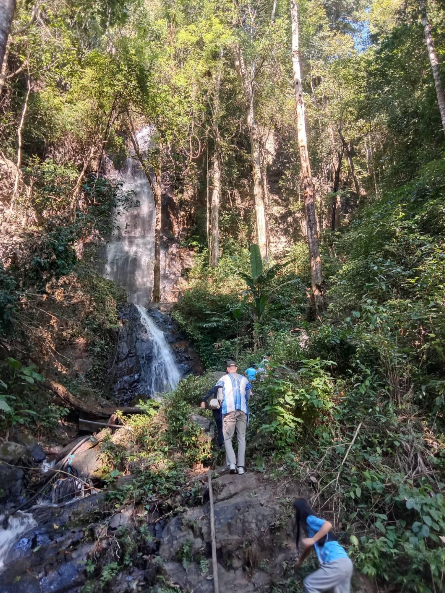
The landscape is defined by rice terraces, rivers, waterfalls and mountain forests. These environments are not only scenic but essential to local survival. Conservation and sustainable use of resources are long-standing practices rather than modern trends.
Mae Chaem is not a tourist town. It offers an opportunity to understand how mountain communities live today — rooted in history, shaped by geography and sustained through strong communal ties.
What you will find
Mae Chaem moments
A place to observe and listen
Mae Chaem offers more than scenery — it offers understanding. Time spent here reveals how mountain communities maintain their identity while adapting carefully to change. Visitors leave not only with memories of beautiful landscapes, but with a deeper respect for the people, traditions and land that continue to sustain this region.
Mae Chaem is a place to observe, to listen and to learn quietly and respectfully.